Piano Casa: offsite speeds up the challenge of 100,000 homes, with timelines cut by up to 60%
Piano Casa: offsite speeds up the challenge of 100,000 homes, with timelines cut by up to 60%
22/10/2026
At EDERA’s Renovation Days 2026, held at BASE Milano, the instant report “Offsite Construction for the Piano Casa” was presented: with industrialised solutions, the time needed to retrofit apartment buildings falls by 40% to 60%, with costs already comparable to traditional methods and savings of up to 15% as volumes grow.
The challenge of 100,000 homes
Building around 100,000 homes in ten years, recovering the existing housing stock and expanding the supply of affordable housing. This is the challenge of Italy’s national Piano Casa (Housing Plan), in a context where construction costs for residential buildings rose by 21% between 2020 and 2025. To reach these goals, alongside financial resources, the production capacity of the sector and the adoption of building models able to contain the time and cost of interventions become central.
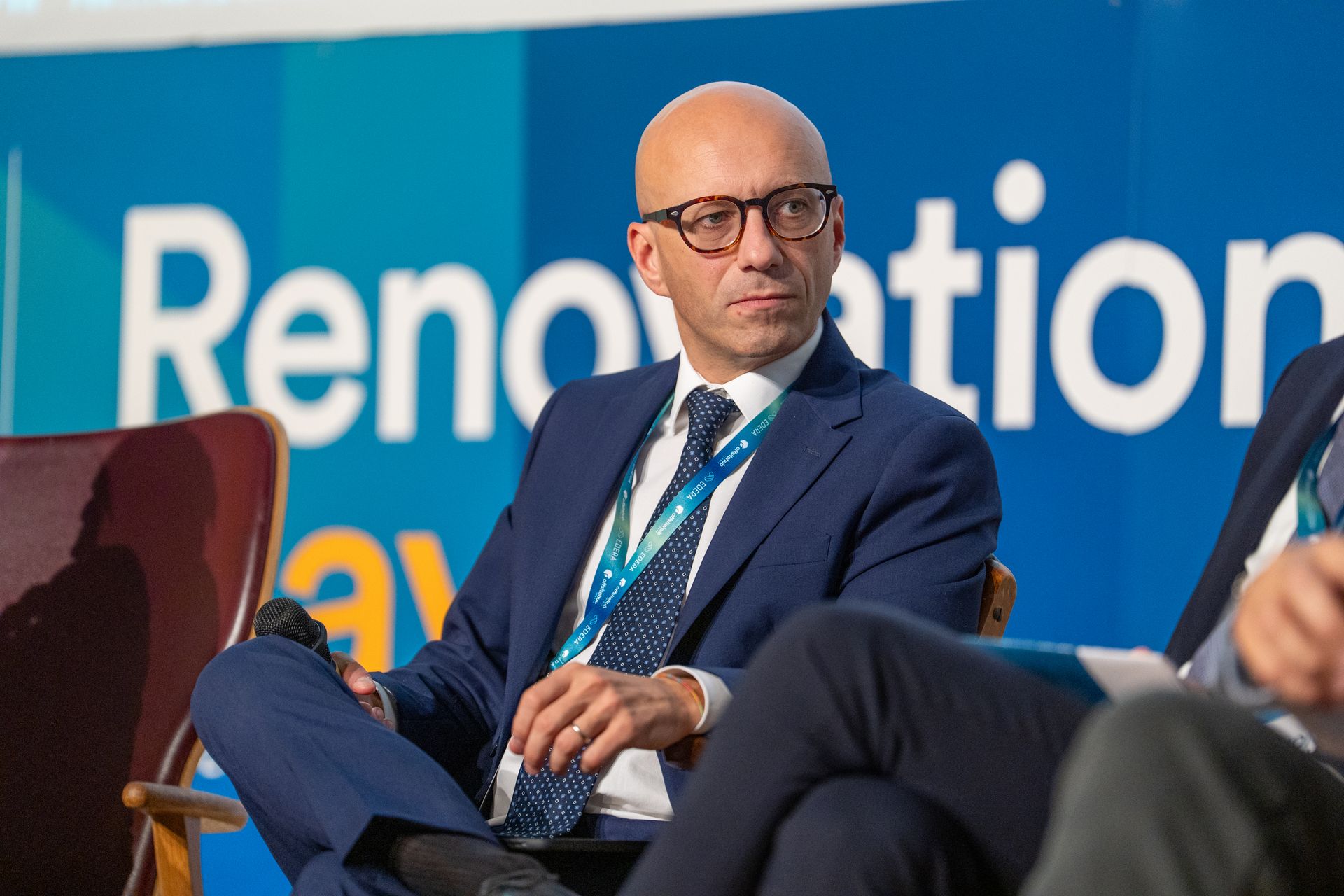
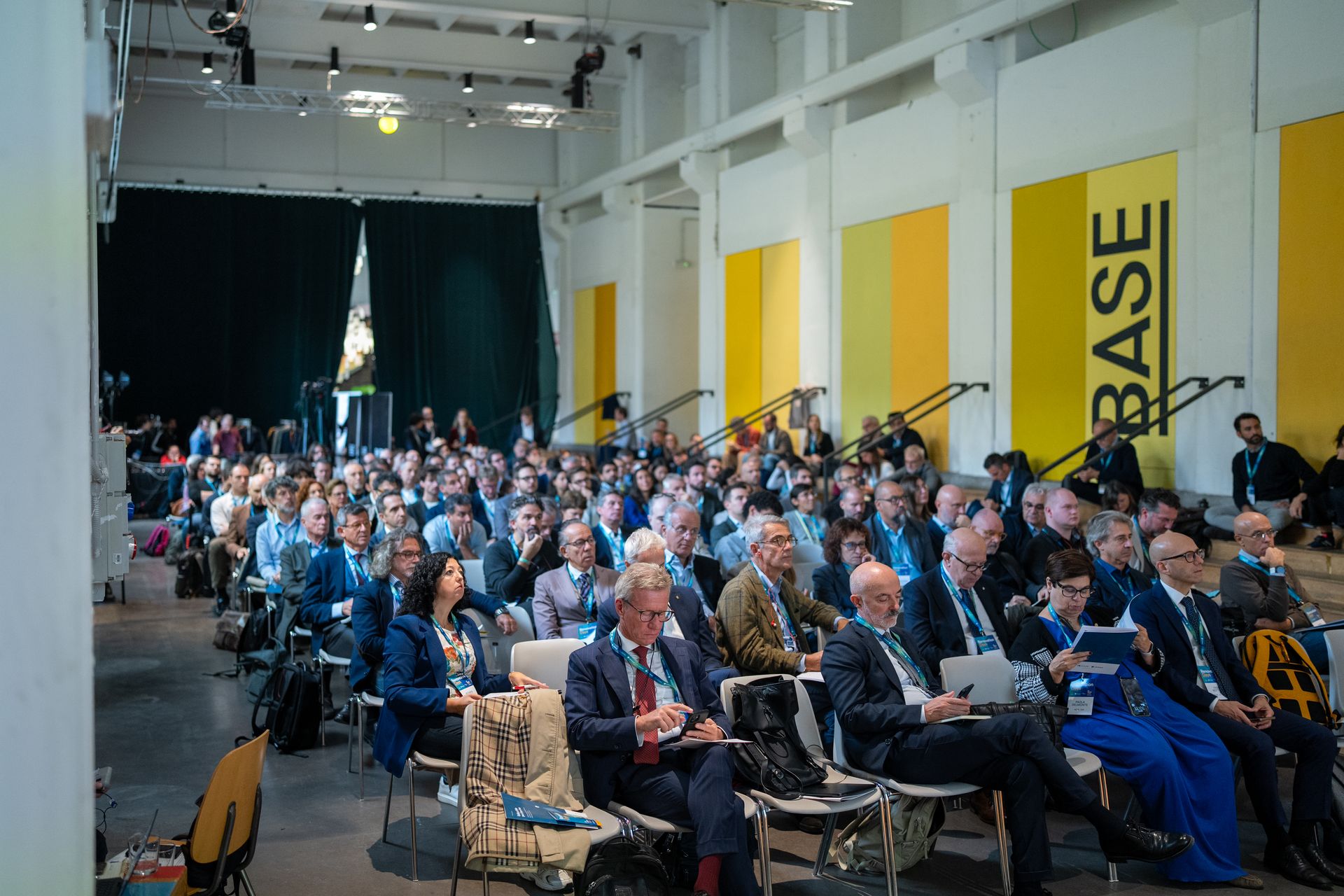
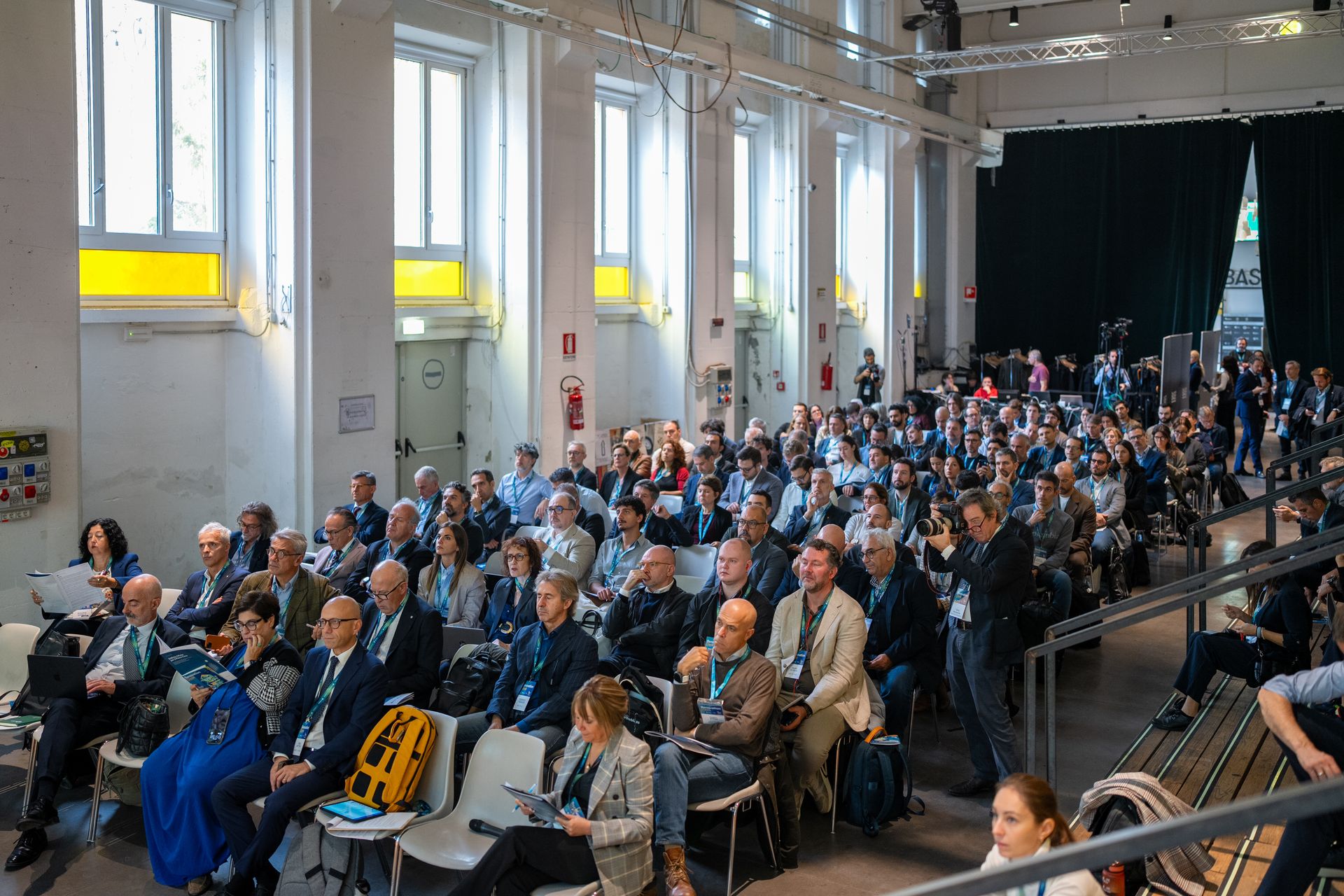
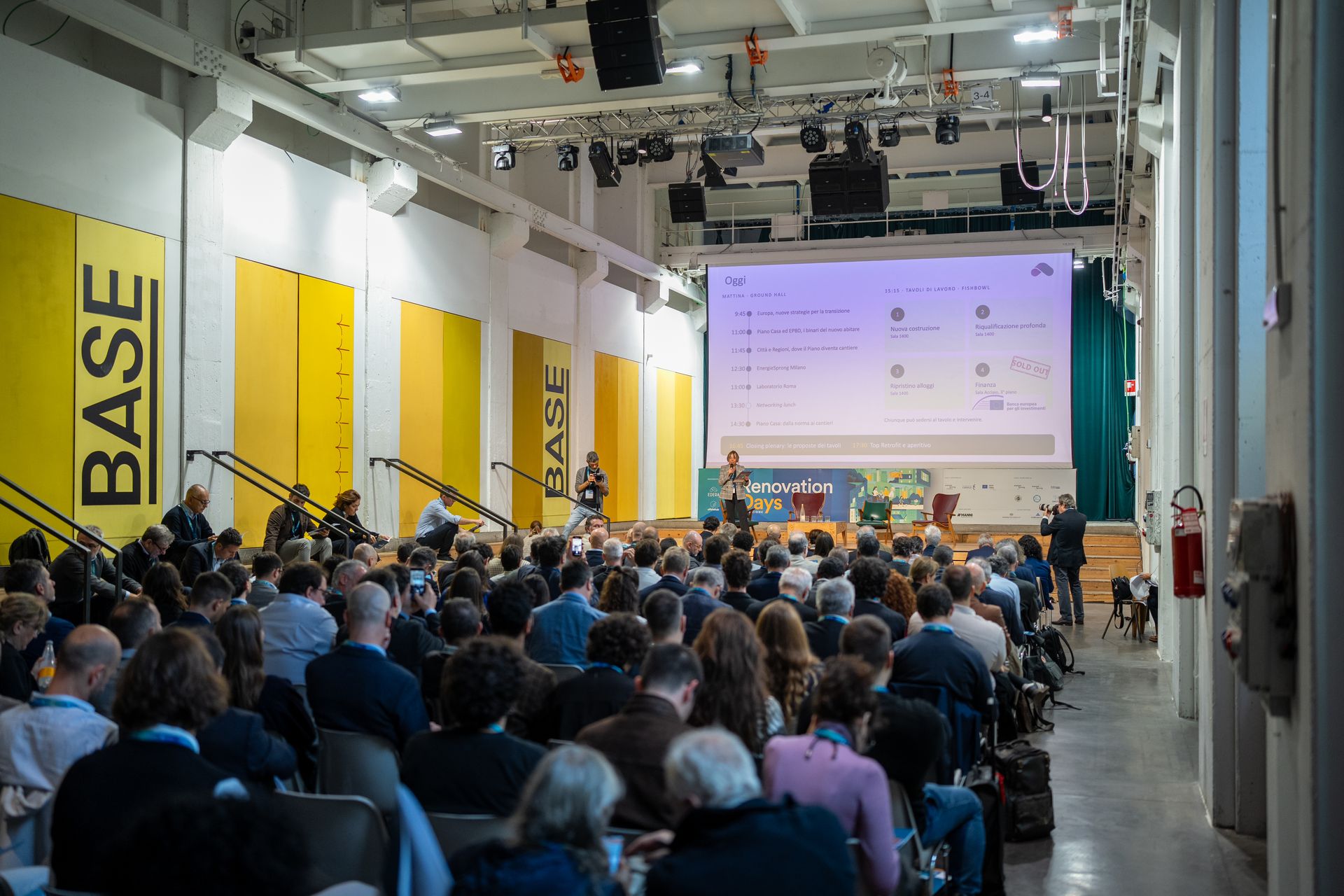
This need was the starting point of Renovation Days 2026, the fourth edition of the event organised by EDERA and Offsite Hub Italia, held on 21 October at BASE Milano under the title “Italian Offsite for the Housing Challenge”. The event brought together 400 Italian and European registrants to discuss how new processes and construction paradigms can help the sector tackle the housing and climate crises, with faster timelines and limited resources.
What offsite construction is
“Offsite” refers to a construction model based on the industrialised production of building components, which are then transported and assembled on site. This approach makes it possible to overlap some work phases, standardise processes and reduce the activities carried out on site. The result is greater predictability of time and cost, less disruption during works and earlier availability of homes.
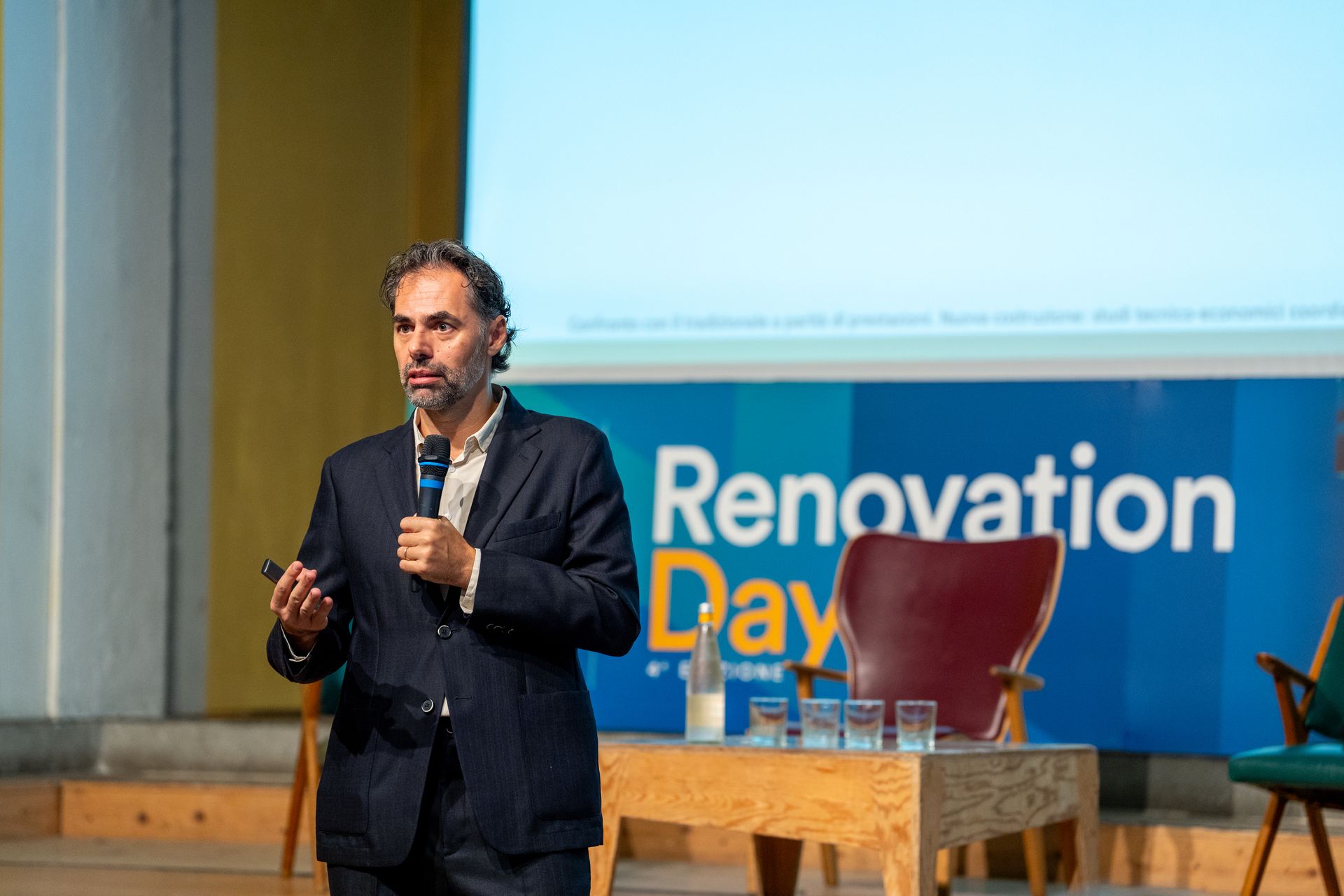
“Offsite construction already offers an effective and rapid response to the need to provide sustainable homes to those who need them. Ninety organisations are investing in innovation and have joined Offsite Hub Italia to develop an Italian market for industrialised retrofit and new construction. The results achieved, with the compression of time and cost of interventions, are a decisive factor in maximising the implementation of the Piano Casa.”
Thomas Miorin, CEO of EDERA
The figures in the report
According to the instant report “Offsite Construction for the Piano Casa”, offsite makes it possible to retrofit entire apartment buildings with time reductions ranging from 40% to 60%, intervention costs already comparable with traditional methods today and prospects of savings of up to 15% as a result of replicating interventions on growing volumes. In Italy, with the EnergieSprong model, an international initiative for large-scale deep retrofit, the number of retrofitted housing units rose from 5 in 2022 to 1,533 in 2026, according to cumulative data reported by EDERA. By combining seismic strengthening with energy efficiency works, offsite can generate savings of up to 30%.
In new construction too, the international reviews cited in the report point to significant acceleration potential: timelines can be reduced by 20% to 50% compared with traditional methods, for the same performance. The economic advantage, however, depends on the volumes delivered and the experience gained in industrialised processes.
This is relevant for the Piano Casa, which aims to mobilise public resources and private investment to expand the housing supply and recover homes that are currently unusable. Reducing construction time, containing costs and making processes more efficient means increasing the number of interventions that can be delivered with the same resources, improving the conditions for attracting private capital and turning programme goals into construction sites actually under way.
Policy recommendations in three phases
To fully exploit this potential in implementing the Piano Casa, the report sets out a number of policy recommendations, structured in three phases.
- Short term (2026-2027). Define fast-track administrative procedures, special tender criteria and payment terms suited to industrialised technologies in order to launch the first interventions, setting up an inter-ministerial working group on offsite with MIT, MIMIT and MASE.
- By 2030. A national pilot programme based on clusters of similar buildings and the target of using offsite solutions for 20% of the new construction and deep retrofit financed by the Plan, together with measures supporting investment in digitalisation and industrialisation.
- Long term. Consolidate an industrial policy capable of making the construction sector more productive and stable, with particular attention to social housing for students, the elderly and workers, and to school buildings.
To support the necessary investment, however, it is important to ensure multi-year, predictable public demand, with lots planned over several years.
Voices from Renovation Days
More than 50 speakers discussed these prospects, including the housing councillors Tobia Zevi (Rome), Fabio Bottero (Milan), Giovanni Paglia (Emilia-Romagna Region) and Simone Marchiori (Autonomous Province of Trento), the President of Legacoop Abitanti Rossana Zaccaria, the Vice President of ANCE Massimo Deldossi and Felice Squitieri, Extraordinary Commissioner for public and social housing of the Piano Casa.
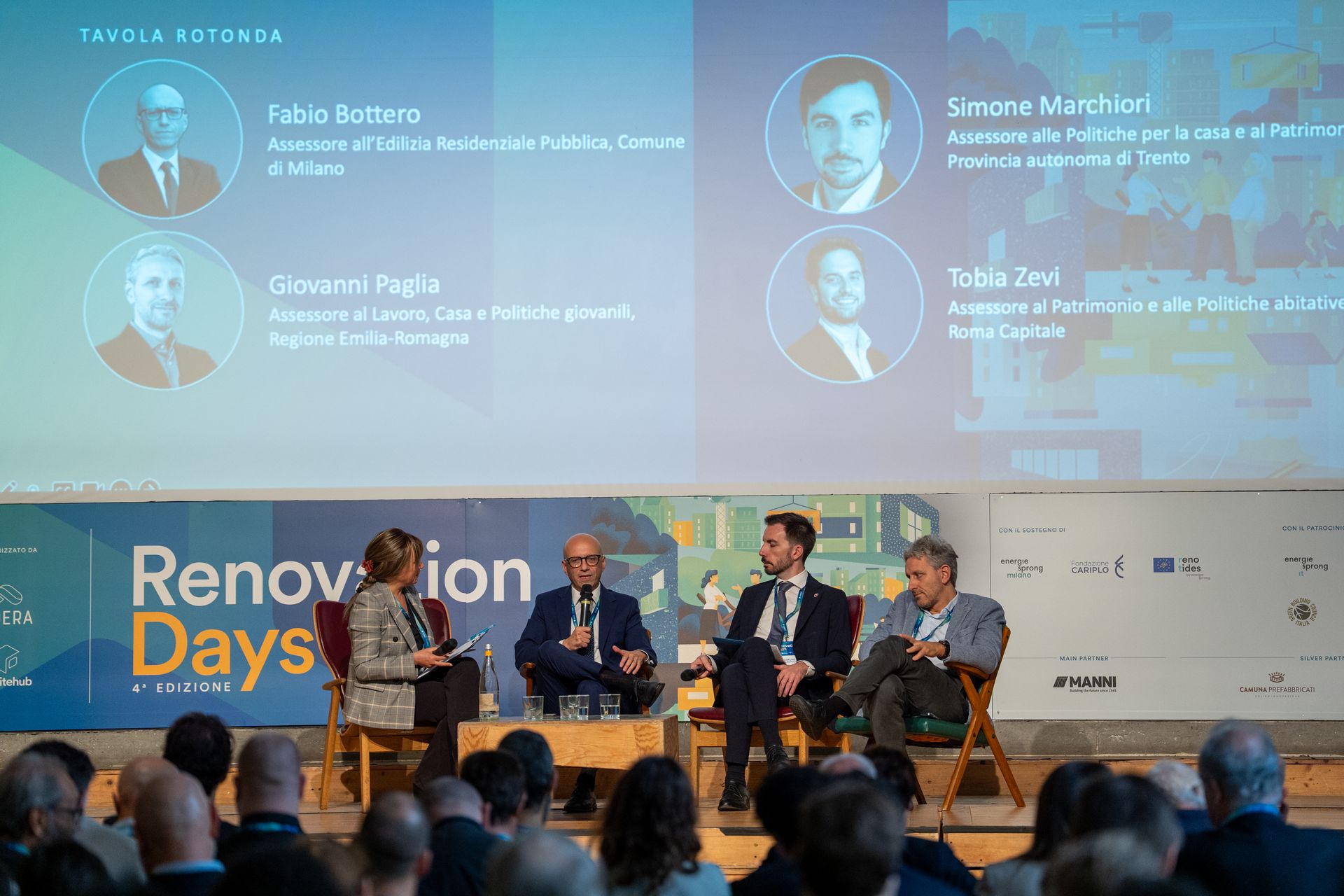
“We strongly believe in the EnergieSprong project which, starting from the analysis of the City of Milan’s public housing stock, aims at energy efficiency, faster construction and safety at work, always keeping people at the centre. The challenge of housing affordability led our city, as early as 2024, to draw up an Extraordinary Housing Plan, alongside the delicate and costly commitment to the maintenance and recovery of public housing units. On this front, in two years, we have allocated 42 million euros to recover vacant homes. We hope that the national Piano Casa can support the Administration’s efforts by providing adequate and stable resources over time. In light of this, it is increasingly useful to join forces, working as a team with all the organisations, and Edera is certainly among them, that are developing innovative studies and procedures to overcome the critical issues that the maintenance and recovery of public housing buildings involve.”
Fabio Bottero, Milan City Councillor for Public Housing
Download the report
The instant report “Offsite Construction for the Piano Casa” is available in PDF format (in Italian). A summary of its contents is in the article Offsite Report for the Piano Casa.
Event photos
Click on a photo to open it at full resolution. Images are available for editorial use.